Online NEET & JEE Coaching Classes in Raipur
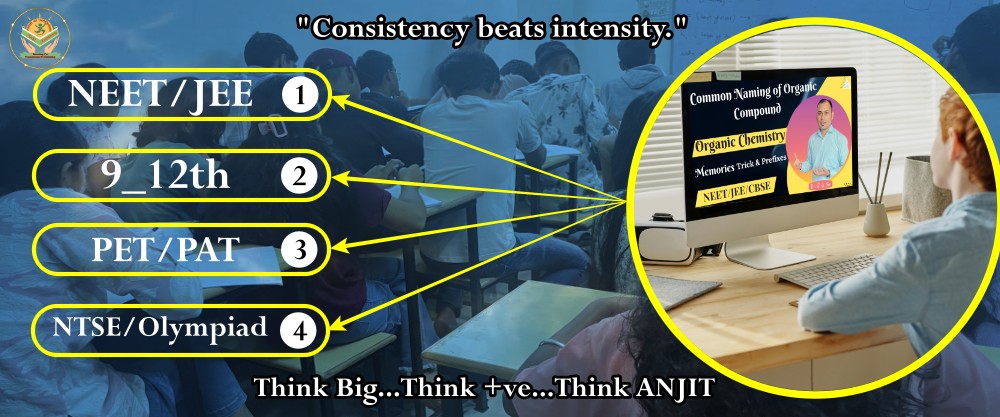
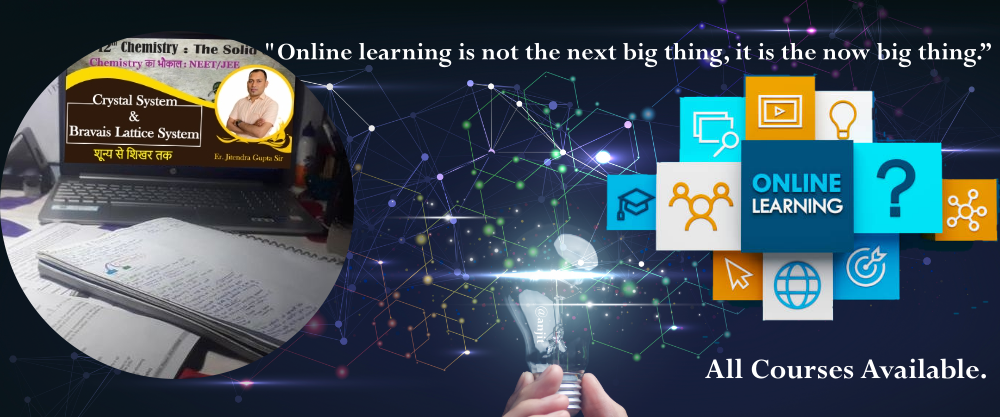
Join ANJIT ACADEMY online classes in Raipur with expert teachers, live sessions, recorded lectures.
Course Description
“eLearning doesn't just "happen" ! It requires careful planning and implementation. ”
🧭 1. Introduction to Online Courses
Online courses are educational programs delivered over the internet, allowing learners to study anytime and anywhere.
💡 Key Features:
- Accessibility: Learn from anywhere with an internet connection.
- Flexibility: Study at your own pace — perfect for working professionals or students with busy schedules.
- Variety: Courses cover nearly every field — Pre-Medical, Pre-Engineering, Pre-Agriculture, Foundation, Class 11 & 12th.
- Affordable: Many platforms offer free or low-cost options.
📚 2. General Information
Types of Online Courses:
- Self-Paced Courses – You learn at your own speed with no deadlines.
- Instructor-Led Courses – Set schedules and live sessions with teachers.
- Massive Open Online Courses (MOOCs) – Open to anyone, often free or low-cost.
- Micro-Credentials / Nanodegrees – Short, focused programs that teach specific job-ready skills.
Common Formats:
- Video Lectures
- Quizzes and Assignments
- Discussion Forums
- Live Webinars
- Certificates upon Completion
🧑🏫 3. Guidance: How to Choose and Succeed in an Online Course
Step 1: Identify Your Goal
Ask yourself:
- Do I want a career upgrade, a new skill, or personal growth?
- How much time can I commit weekly?
- Do I need a certificate or just the knowledge?
Step 2: Research the Course
- Check the instructor’s background and reviews.
- Look for hands-on projects or practical assignments.
- Ensure the course fits your learning style (video, reading, practice, etc.).
Step 3: Plan Your Schedule
- Set aside fixed hours per week.
- Break content into manageable chunks (e.g., 30–60 minutes per session).
Step 4: Engage Actively
- Take notes during videos.
- Join discussions and ask questions.
- Apply what you learn through mini-projects or real-life practice.
🌱 4. Tips for Success in Online Learning
- 🕒 Stay Consistent – Make learning a habit; set a regular schedule.
- 🧠 Take Notes – Writing reinforces memory and understanding.
- 🎯 Set Goals – Weekly or module-based goals help track progress.
- 👥 Participate in Communities – Join online forums or study groups.
- 📱 Minimize Distractions – Study in a quiet environment.
- 💬 Ask for Help – Use discussion boards or contact instructors.
- 🧩 Practice, Don’t Just Watch – Apply what you learn in real tasks.
- 🎓 Earn Certificates – Showcase them on your résumé or LinkedIn.
🚀 5. Benefits of Online Learning
- Learn at your own pace
- Global access to top universities and experts
- Affordable compared to traditional education
- Develop digital literacy and self-discipline
- Great for upskilling and career advancement
🏁 Conclusion
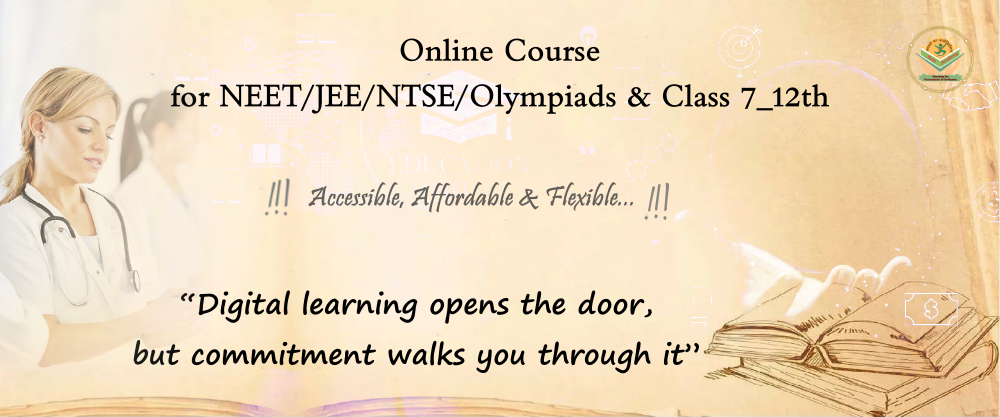
Online courses have revolutionized education by making learning accessible, affordable, and flexible. Whether you’re pursuing a new hobby, enhancing professional skills, or earning a certification, online learning empowers you to take control of your education — anytime, anywhere.